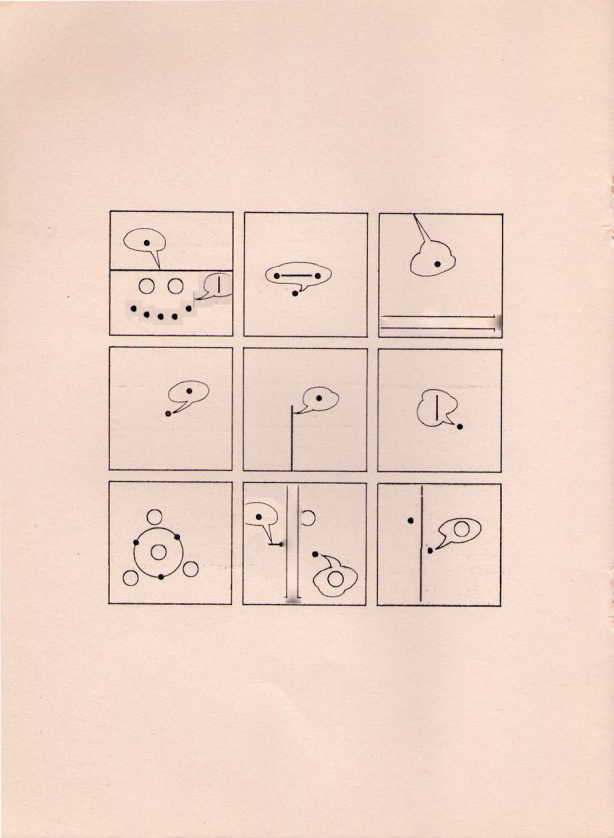
A series of images glitched via text editor compiled in a video. This video was created to showcase images that had been edited in text editor on Mac. I wanted to edit images of things that I enjoy such as Anime. Editing the images in text editor was trial and error, some images became unreadable and others did not have any noticeable changes. I believe that the images could have had a more different outcome had they been slightly edited differently, possibly improving some of them. The soundtrack in the background is to add some ambience to the images, the song has some glitchy feeling in some parts to add to it.
A contemporary video about a lost man. The idea behind this video is that a man who has done something in his past unknowingly avoids facing what he has done in another place and time. He lives in a state of confusion and fear before realizing what he has done. I have chosen this route because it leaves the viewer with some questions to ask themselves and to ponder after watching of how things come together. The title “Abedah Geber” roughly translates to ‘Lost Man’ in Hebrew.
An interpretation of what The Sound of the Internet is. Beginning with a cartoonish, wacky, and mysterious tone; going on to a more adult and entertainment tone; going to a more sinister, fearful, and trance like tone; to finally a disconnect from the internet and in reality. I chose this route of, what I would say, obscurity when defining something because the internet is as interpretive as the person interpreting.
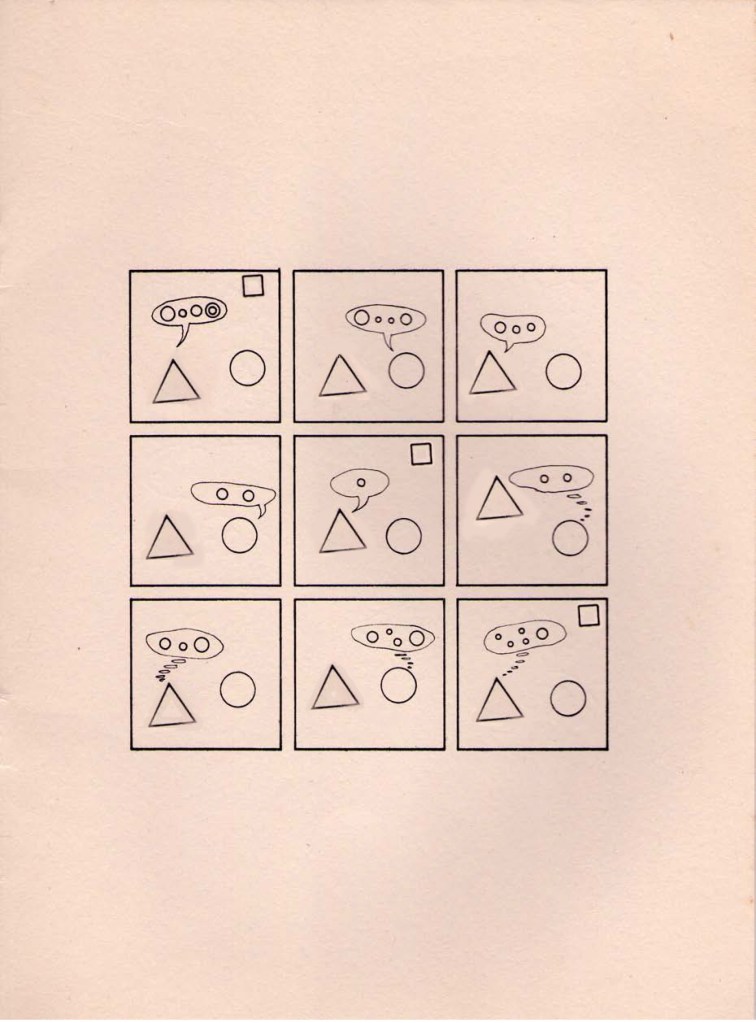
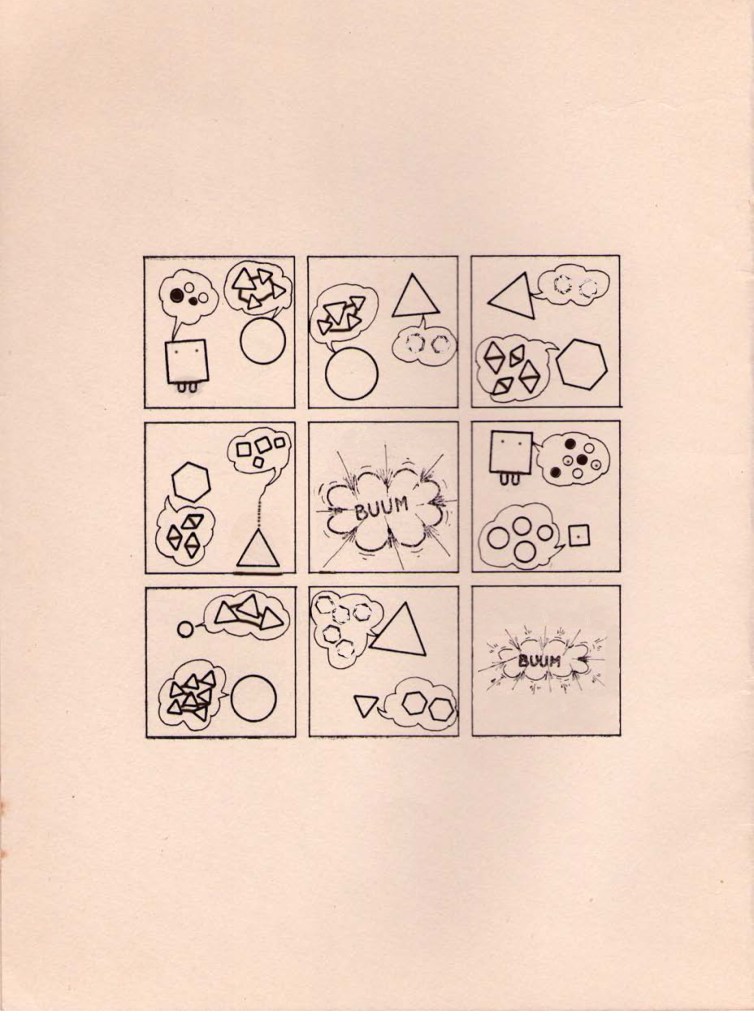
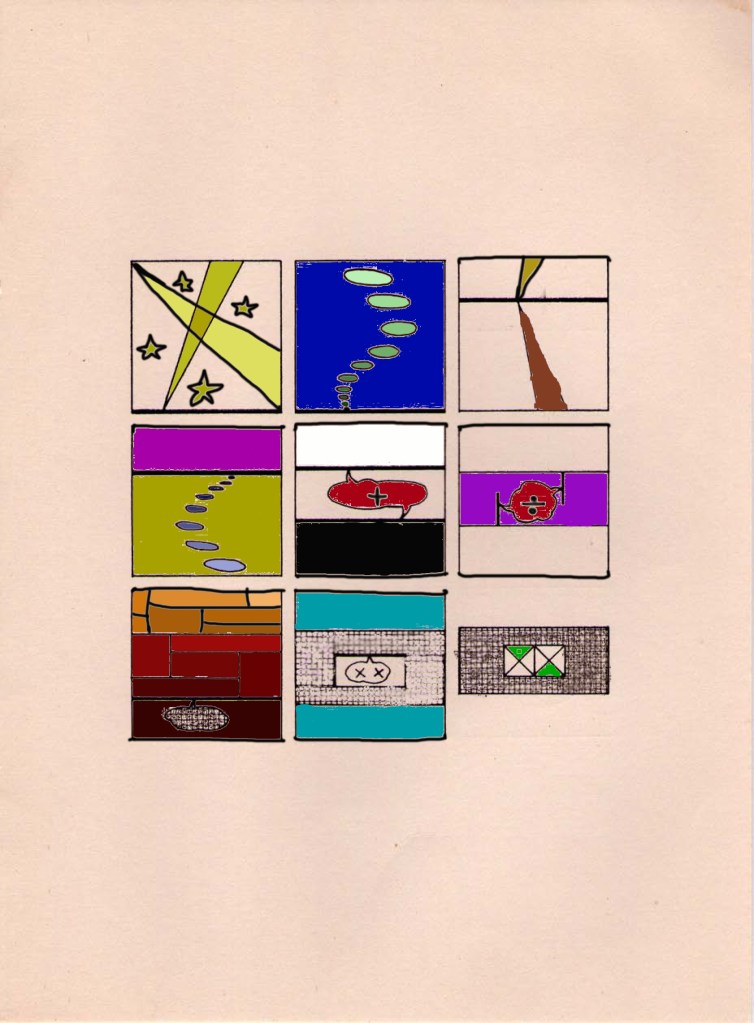
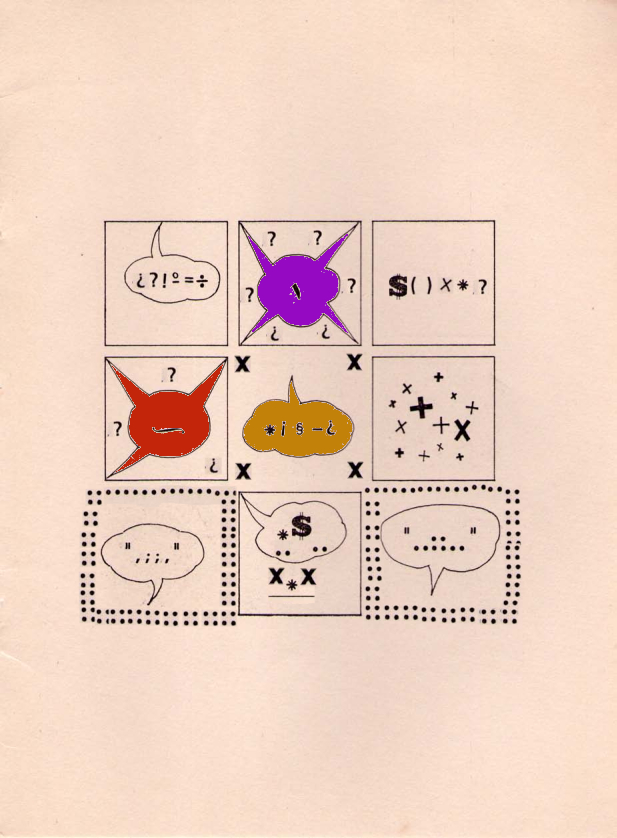
After Alvaro de sa… This piece is an alteration of 12 X 9, art created by Alvaro de sa. My intent with the modification was to add color and a different sort of life to it. I chose this piece because it was, to me, very interpretive and had potential for different meaning if altered even slightly. I believe that its outcome was great in telling a different story.
Abraham Macias Professor James Anderson MCS 005 19 February 2019
There is censorship all around us in the United States, whether it is blatant or subtle, from government secrets to everyday media changed for the common viewer. Censorship in animation is no exception to this change and has been targeted more frequently as of recent, the reasons for censorship are sometimes sound but other times unnecessary. It has come to attention that animation, be it 2D or the now more popular 3D, has been a target of censorship and has changed the turn out of the animation because of these censors, some for better or worse. The act of censorship towards animation to many can be judged as nothing more than a directing decision but to some the censorship of the original creator’s ‘art’ can remove the original intention, is an insult to the creator, and can change the story or characters involved.
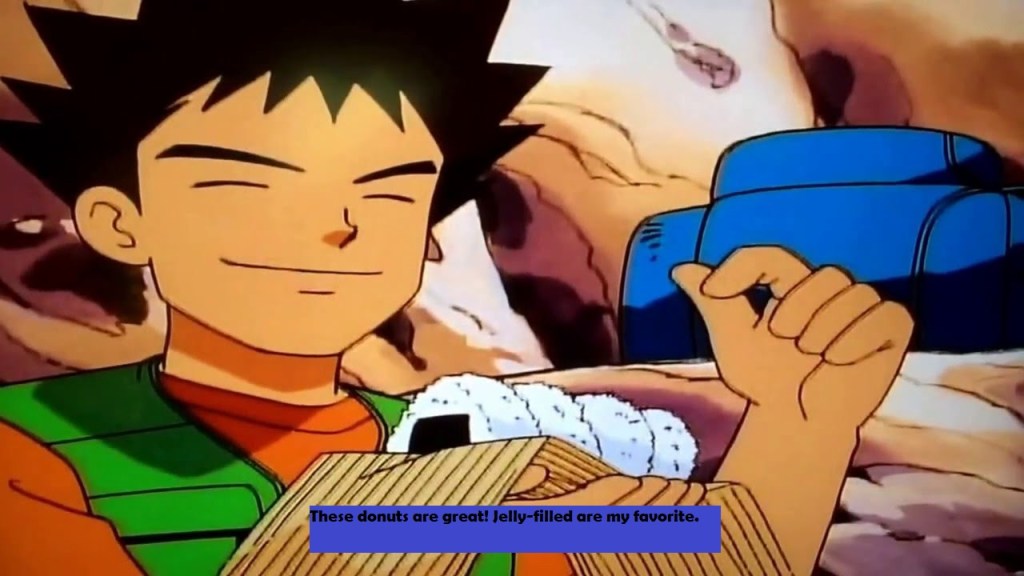
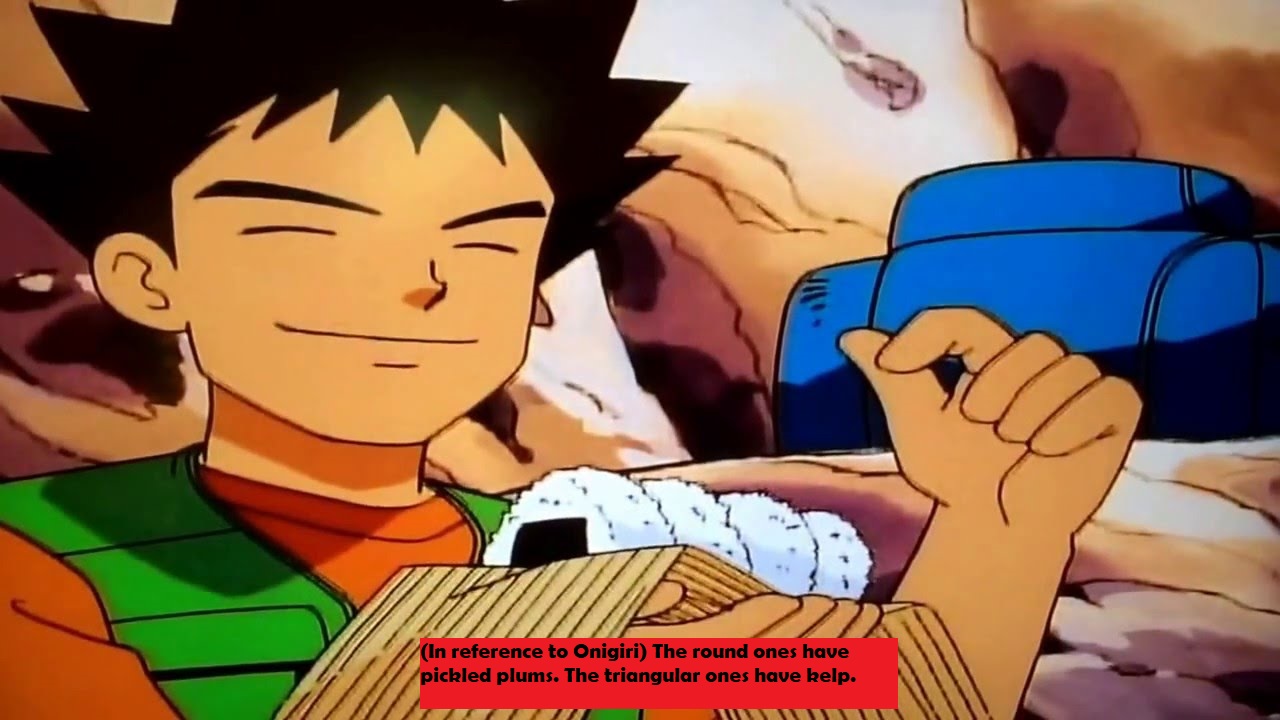
Other areas of censorship in media are usually for political purposes. The producer head, usually in control of what is shown in their station, can direct those who work for him to only show the good or the bad of a certain event or person. These reasons are almost always political and usually happen because the head or studio is in favor or against certain political beliefs and those who are in it. In almost all animation created in the United States or animation brought from overseas for American audiences, they tend to avoid any political affiliation so as to favor to more people but, sometimes they censor animation for reasons that do not make any sense. One early and major example for censorship in animation as the series Pokémon by Satoshi Tajiri. In the American dub of the show, the company 4Kids was in charge of adapting and translating the show for the audience in the United States. With the frustration from fans about the blatant and unnecessary censorship to one of their most favorite shows, one outlet that they use at the time, and now, were Social Networking Sites. As boyd, d.m., a Principal Researcher at Microsoft Research, claims “SNSs are primarily organized around people” (boyd, 1), and with this outrage from concerned fans it was the perfect way to make their voice heard. When it was said and done the more serious fans of the show had, as Joseph Tobin a Professor of Early Childhood Education at Arizona State University states, “…flocked to online chatrooms dedicated to the series, where they complained bitterly about censorship and debated various forms of protest ” (Tobin, 81). The censorship in question is how in many occasions, 4Kids decides to omit and change any notion towards the animation being originally from Japan. Some of the few memorable moments of censorship were changing the voice lines for the character Brock, in Episode 25: “Primeape Goes Bananas”, from talking about onigiri which is a Japanese rice dish to a jelly-filled doughnut. This form of censorship, while small and to some even insignificant, was just the start of something that would continue onwards to more prominent forms of censorship.
Pokémon Donut/Onigiri North American Ver.
Pokémon Donut/Onigiri Japanese Ver.
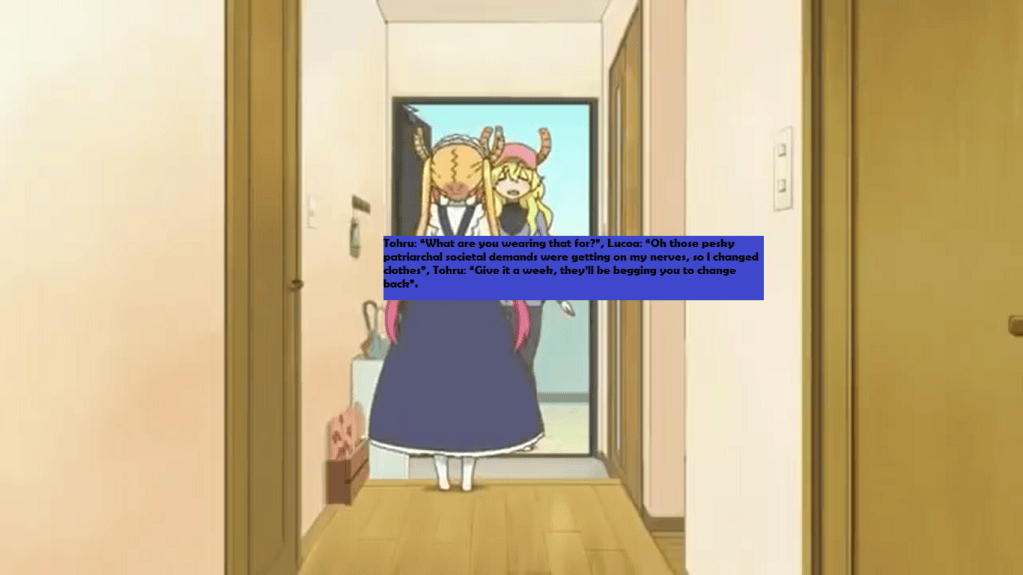
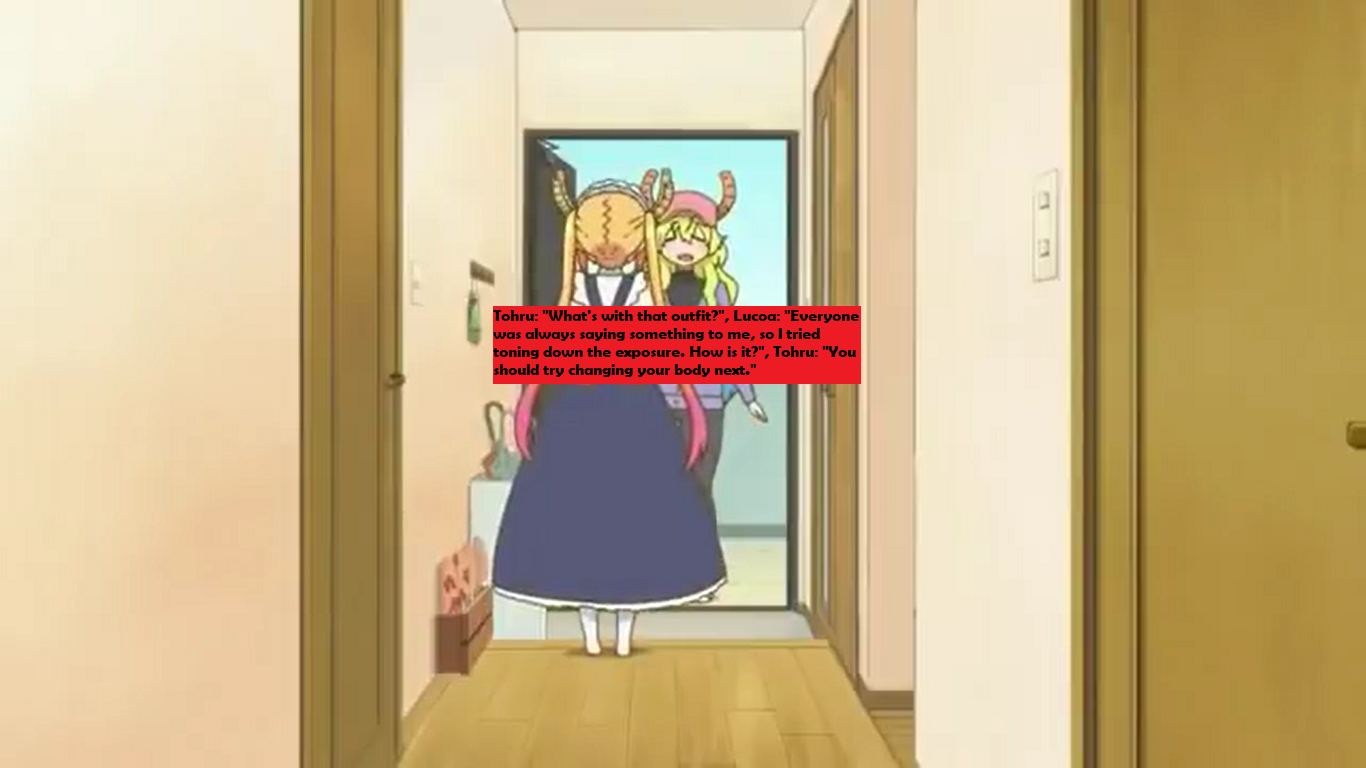
Another instance about censorship in animation is in the American dub of Miss Kobayashi’s Dragon Maid by Coolkyoushinja. After the release of Funimation’s dub of the series 12th episode called “Tohru and Kobayashi’s Impactful Meeting! (We’re Raising The Bar On Ourselves)”, there began an uproar of fans in social media sites, message boards, and especially on the message board of Funimation’s website. The controversy about the episode is how the company had essentially censored or changed the lines in the animation to cater to their agenda. Many fans were outraged and more so confused by this unnecessary change to the original story. In the original Japanese dub the lines were: Tohru: “What’s with that outfit?”, Lucoa: “Everyone was always saying something to me, so I tried toning down the exposure. How is it?”, Tohru: “You should try changing your body next.”, censored to in the American dub with: Tohru: “What are you wearing that for?”, Lucoa: “Oh those pesky patriarchal societal demands were getting on my nerves, so I changed clothes”, Tohru: “Give it a week, they’ll be begging you to change back”. The change maybe only textual and not interfere with the story all too much, but many fans of the show are upset as this change, as many fans would say, interferes with Lucoa’s character and how she is in the animation. Many of the fans also fear that this may possibly extend to other animations and are in belief that the left is what had to do with it as the agenda is what they would call a leftist idea. As Andrew Austin, a Professor of Democracy and Justice Studies at the University of Wisconsin, Green Bay states, the left “…is generally borne of an urge to control behavior and thought; it is a desire to substitute the judgment of one person or group for the judgment of others” (Austin, 1). With this ‘urge to control behavior and thought’ that the left has been labeled with, many people are upset at the left for changing or censoring the way things are made, or in this case translated. As Stanley Baran, Professor and chairman, Department of Communication of Bryant University, states “There is a seismic shift going on in the mass media…” (Baran, 30), though the shift in act is different to what he says. Although he talks about the change of television assaulting radio and the movies, the shift in the media is a shift in ideology.
Miss Kobayashi’s Dragon Maid North American Ver.
Miss Kobayashi’s Dragon Maid Japanese Ver.
In conclusion, censorship is not limited to news outlets and people who want to say something not everyone will agree on. Censorship is a branching tree that will plant its roots in just about anything it can. It can alter the original message, it can be seen as an attack to the original creator, and can influence the characters in a way that is not to their original characteristics.